PRP Hair Treatment in Dubai: Cost, Results, Sessions & Who Is a Good Candidate?
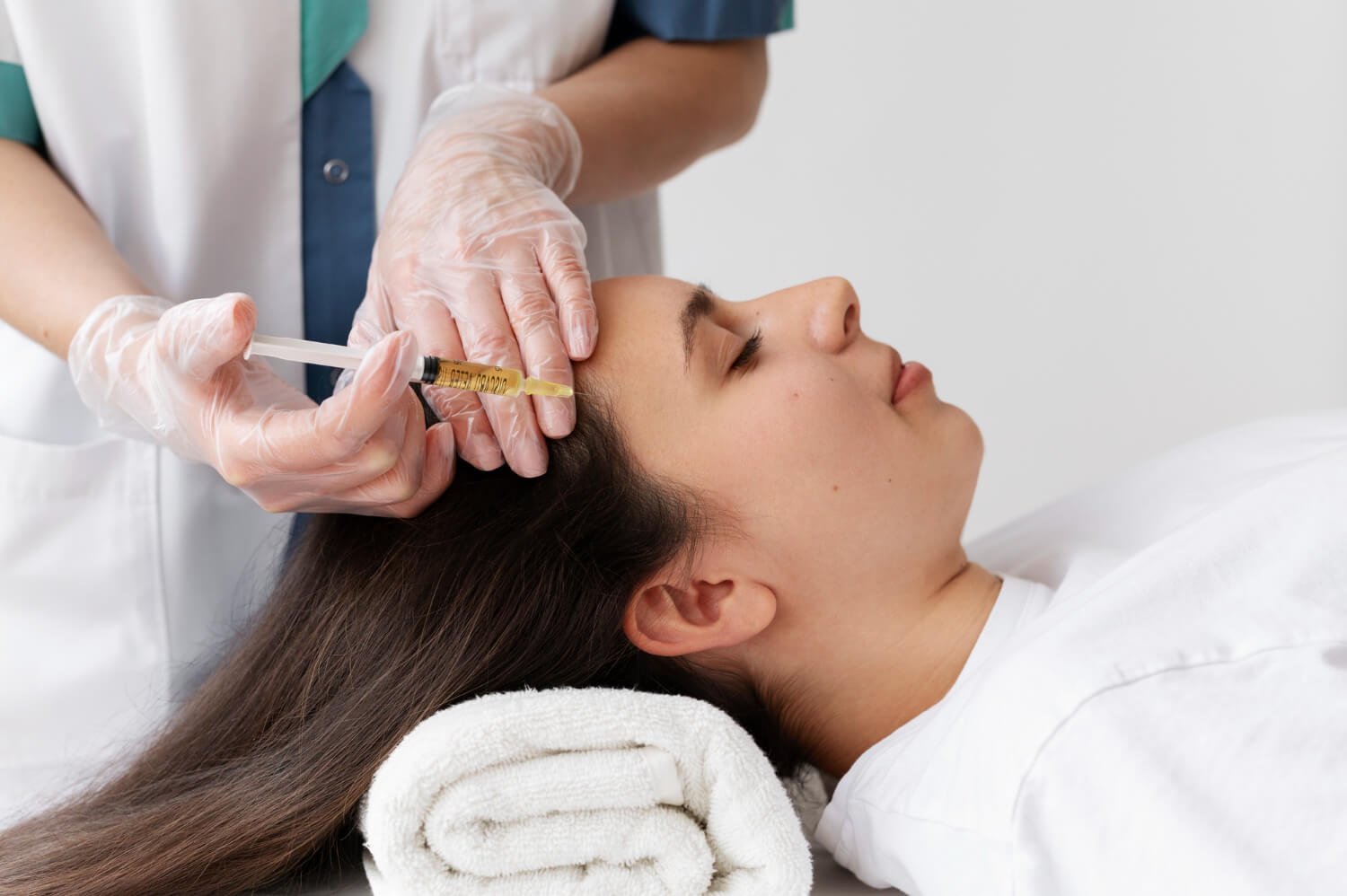
Hair thinning, a receding hairline, and excessive hair shedding can impact your confidence. While various treatment options are available, Platelet-Rich Plasma (PRP) therapy is a non-surgical method that may help support hair growth and enhance hair density.
If you are considering PRP hair treatment in Dubai, understanding its cost, expected results, required sessions, and suitability can help you make an informed decision. This blog covers everything you need to know before getting started.
What Is PRP Hair Treatment and How Does It Work?
PRP stands for Platelet-Rich Plasma, a treatment that uses components from your own blood to boost scalp health. Your blood platelets naturally contain growth factors that help repair tissue and trigger active cell regrowth.
During the appointment, a nurse draws a small blood sample, much like a regular lab test, and spins it down in a centrifuge. That process isolates the concentrated plasma. Your doctor then takes that plasma and carefully injects it into the thin or weak areas across your scalp.
The main goal of using PRP for hair loss in Dubai is to feed weak hair follicles, thicken existing strands, and hopefully slow down active shedding. It tends to work best when caught early, though results depend heavily on what's causing the loss and how healthy your roots still are.
How Much Does PRP Hair Treatment Cost in Dubai?
The PRP hair treatment cost in Dubai usually varies quite a bit from one patient to another depending on the clinic, your hair goals, and how many visits you actually end up needing.
A few main factors push the price up or down:
- Total number of visits: Taking on a multi-session package naturally changes the overall bill.
- Size of the treatment area: Covering broad thinning takes more time and serum than touching up a small spot.
- Doctor's experience: Specialist practitioners working out of top-tier medical setups often charge higher consultation and treatment rates.
- Preparation kit quality: Different centrifuges and specialized collection tubes produce different plasma concentrations, affecting total clinic costs.
What Results Can You Expect from PRP Hair Treatment?
Since PRP relies on natural biological growth cycles, you definitely won't see a brand-new head of hair overnight. Hair follicles move through slow phases, so real, visible progress usually takes a few months to show. Selecting a trustworthy PRP hair treatment clinic will also help you get your plasma prepared properly, along with treatment plan customization and regular tracking of the progress of your hair growth.
The usual PRP hair treatment results are the following:
- Reduced shedding of hair on a daily basis after several treatments.
- Thicker strands and increased density in thinning spots.
- Additional help for hair follicles that work slowly.
- Better coverage in areas that are just beginning to thin.
It should be noted, however, that your results will also depend on your roots’ condition and your genetics. The PRP hair treatment won’t bring back hair in spots that are bald because there are no follicles there anymore. This method isn’t a magic one either since it doesn’t give permanent hair when it comes to genetic hair loss. That is why you still need to visit your doctor from time to time.
How Many PRP Hair Treatment Sessions Are Needed?
The number of visits you'll need depends on your starting scalp condition, hair loss pattern, and how well your body responds to the initial injections.
A standard treatment setup often looks like this:
|
|
|
|
|
|
|
|
|
|
|
|
These are general starting points, so your treating specialist might tweak the timing. Staying consistent with your PRP hair treatment sessions gives your scalp the best chance to build visible momentum.
Candidate Suitability for PRP Hair Treatment
PRP tends to suit men and women dealing with mild to moderate hair thinning, especially when the hair roots are still alive and active.
You might be a great candidate if you:
- Are catching early-stage pattern hair loss or gradual thinning.
- See increased shedding in your brush or shower.
- Still have active, fine hairs growing in the target area.
- Want to avoid surgical hair restoration choices for now.
However, individuals suffering from complete loss of hair, blood disorders, or active scalp infections may not be the right candidates for this procedure. Prior to undertaking this therapy, you must have your scalp examined by a competent PRP hair treatment doctor, and all other causes such as thyroid imbalances or extreme stress ruled out.
PRP Hair Treatment at Cutis International, Dubai
At Cutis International, we offer personalized hair loss treatments based on your scalp condition, hair loss pattern, and treatment goals.
- Personalized care: We assess your hair and scalp to recommend suitable treatment options.
- Hair restoration services: We offer PRP, GFC, Exosomes and Maxxi PRP treatments.
- Treatment guidance: We explain the procedure, expected outcomes, and recommended sessions.
- Convenient location: Visit our clinic in Al Karama, Dubai, near Lulu Hypermarket.
If you are exploring the PRP hair treatment Dubai price or want to understand your treatment options, contact us to arrange a consultation with our medical team.
FAQs
1. Is PRP hair treatment painful?
There is likely to be some sensation of pinching or pressure while the injections are being administered. However, the overall procedure is quite bearable for most patients.
2. How long does a PRP hair treatment session take?
A full appointment usually wraps up in 30 to 60 minutes, which covers the quick blood draw, spinning the sample, and doing the scalp injections.
3. When can I see PRP hair treatment results?
You'll likely notice less shedding in a few weeks, but real visible thickness usually shows up after a few months and a couple of sessions.
4. Is the result of PRP hair treatment permanent?
The result of PRP treatment is not permanent, and there could be maintenance treatments depending on the degree of hair loss you have experienced.
5. Can PRP completely regrow lost hair?
While PRP can work wonders in making thin hair look fuller, there is nothing that it can do when the follicles are dead.
