FUE vs Sapphire FUE in Dubai: Key Differences Explained
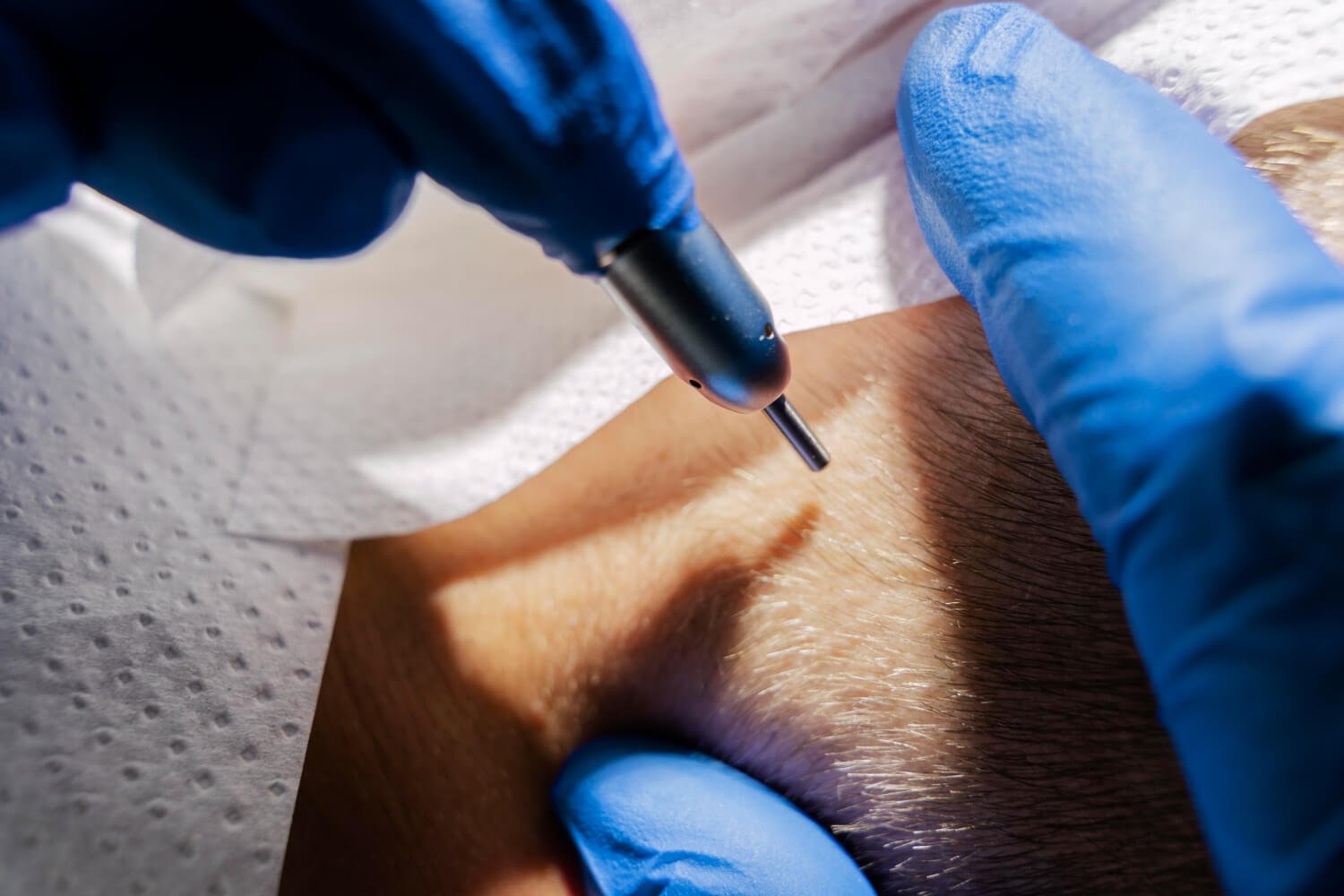
If you are considering an FUE hair transplant in Dubai, you have probably come across both FUE and Sapphire FUE. The names sound different, but both follow the same basic approach: extracting individual hair follicles and transplanting them into areas affected by hair loss. What separates them is how the recipient channels are created.
Understanding these key differences helps you have a more informed discussion with a specialist. Patients considering an FUE hair transplant in Dubai can evaluate both methods based on their specific hair loss pattern, donor site availability, and personal aesthetic goals.
What Is an FUE Hair Transplant?
Follicular Unit Extraction, or FUE, is a technique in which individual follicular units are taken from a suitable donor area and transplanted into areas experiencing hair loss. The sides and back of the scalp are commonly used as donor areas because they can provide suitable follicles. After extraction, the grafts are placed in the recipient area according to the planned hairline and required coverage.
Hair transplantation is one of our key hair restoration services, focusing on delivering results that blend naturally with your existing hair.
What Is Sapphire FUE?
Sapphire FUE Dubai treatments follow the same extraction and transplantation process as conventional FUE. The main difference is the blade used to create the recipient channels. Instead of a conventional surgical blade, this technique uses a sapphire blade. The channels guide where the specialist places the extracted grafts and help control their direction and angle.
Why Does Channel Creation Matter?
The way recipient channels are created can influence how grafts are positioned. Hair does not grow straight out of the scalp at one uniform angle. Its direction changes depending on where it sits on the head. That is why careful planning of the hairline, direction, angle, and distribution of grafts is so important for a natural-looking result.
Sapphire FUE vs FUE: What Is the Difference?
When comparing the two, it helps to focus on the actual procedural difference rather than treating them as completely separate methods.
|
|
|
|
|
|
|
|
|
|
|
|
|
|
|
|
|
|
|
|
Both techniques need a careful assessment before treatment. The choice should take into account:
- Your pattern of hair loss
- The amount of donor hair available
- The condition of your scalp
- Your desired hairline
- The coverage you can realistically expect
FUE vs Sapphire FUE: What Should You Consider?
When evaluating FUE vs Sapphire FUE, the decision involves more than comparing the instruments used during the procedure. Several factors shape the treatment plan and the eventual look of the transplanted hair.
1. Donor Hair Availability
A hair transplant depends on having a suitable donor supply. The specialist needs to assess the density and quality of your available hair before deciding how many grafts can be transplanted safely. The amount of donor hair also affects how much coverage or density can realistically be achieved.
2. Hairline Design
A well-planned hairline helps transplanted hair blend with your existing growth. Designing one involves looking at:
- Your facial proportions
- Your existing hair density
- The direction in which your hair naturally grows
A specialist may vary graft placement across the hairline to create a gradual transition instead of an abrupt line.
3. Graft Handling and Placement
Extracting the follicles is only one part of a hair transplant. Grafts also need to be handled carefully and placed according to the plan. Their position, direction and angle affect how natural the hair looks once it grows. This is why the overall procedure and technique matter more than the type of blade alone.
4. Recovery and Hair Growth
A hair transplant does not give an immediate final result. The expected timeline is as follows:
- First month: transplanted hair may shed temporarily
- Around three months: new growth can begin
- Around six months: the hair can start looking more natural
- Around one year: the complete result is expected
Following your specialist's aftercare instructions is an important part of recovery.
Is Sapphire FUE Better Than Standard FUE?
No single technique is automatically right for every patient. Patients considering Sapphire FUE in Dubai may be interested in using sapphire blades during channel creation, but individual results can vary.
The quality of a hair transplant depends on donor hair, hair-loss pattern, treatment planning, graft handling, placement, and individual healing. A consultation allows a specialist to examine these factors and explain which approach may suit your needs.
Who May Be Suitable for Hair Transplantation?
Hair transplantation may be considered by people experiencing:
- Male or female pattern baldness
- Hair loss linked to scalp injuries or scarring
- Hair loss following certain cosmetic procedures
- Reduced density in areas such as the eyebrows, moustache or beard
- Hair loss after previous restoration procedures
Having hair loss does not automatically mean transplantation is suitable, though. A specialist needs to assess the cause and extent of the loss and whether enough suitable donor hair is available.
What Hair, Dermatology and Cosmetic Services Are Offered?
Hair transplantation is part of a wider range of services:
- Hair Transplantation
- Hair Loss Treatment
- Dermatology Procedures
- Cosmetic Procedures
These services address different hair, skin and aesthetic concerns, and patients can talk through their concerns with the clinic's medical professionals to understand which options may be relevant. If you are considering a Sapphire FUE hair transplant in Dubai, a consultation is a chance to discuss the procedure, have your donor area assessed, and set realistic expectations before making a decision.
Choose the Right Hair Restoration Approach With Cutis International
Before choosing between standard FUE and exploring the best FUE hair transplant Dubai options with Sapphire FUE, understanding your hair-loss pattern and available treatment options can help you make a more informed decision. At Cutis International in Dubai, our hair transplant and hair-loss treatments are complemented by dermatology and cosmetic care, giving you access to comprehensive care under one roof.
A consultation at Cutis International lets you discuss your concerns with a specialist, have your donor area assessed, and understand which approach best suits your hair-loss pattern and goals. This personalised assessment can help you explore your options with greater clarity before deciding on your treatment.
Frequently Asked Questions
Is FUE suitable for everyone with hair loss?
Not necessarily. FUE may suit people with suitable donor hair, but candidacy depends on hair-loss pattern, donor density, scalp condition, medical history and personal goals, all assessed during a consultation.
Does Sapphire FUE use sapphire blades?
Yes, sapphire blades are used to create the recipient channels. The technique still involves extracting and implanting individual follicles, with careful planning throughout treatment.
How long does a hair transplant take?
Cutis International says the procedure usually takes six to seven hours. The exact time can vary based on individual needs and the number of grafts.
When does transplanted hair start growing?
Transplanted hair may shed during the first month. According to Cutis International, new growth can begin after about three months and develops gradually as you recover.
When can the final result be expected?
Growth develops gradually; Cutis International states that the hair can look natural around six months, with the complete result expected after about one year.
